
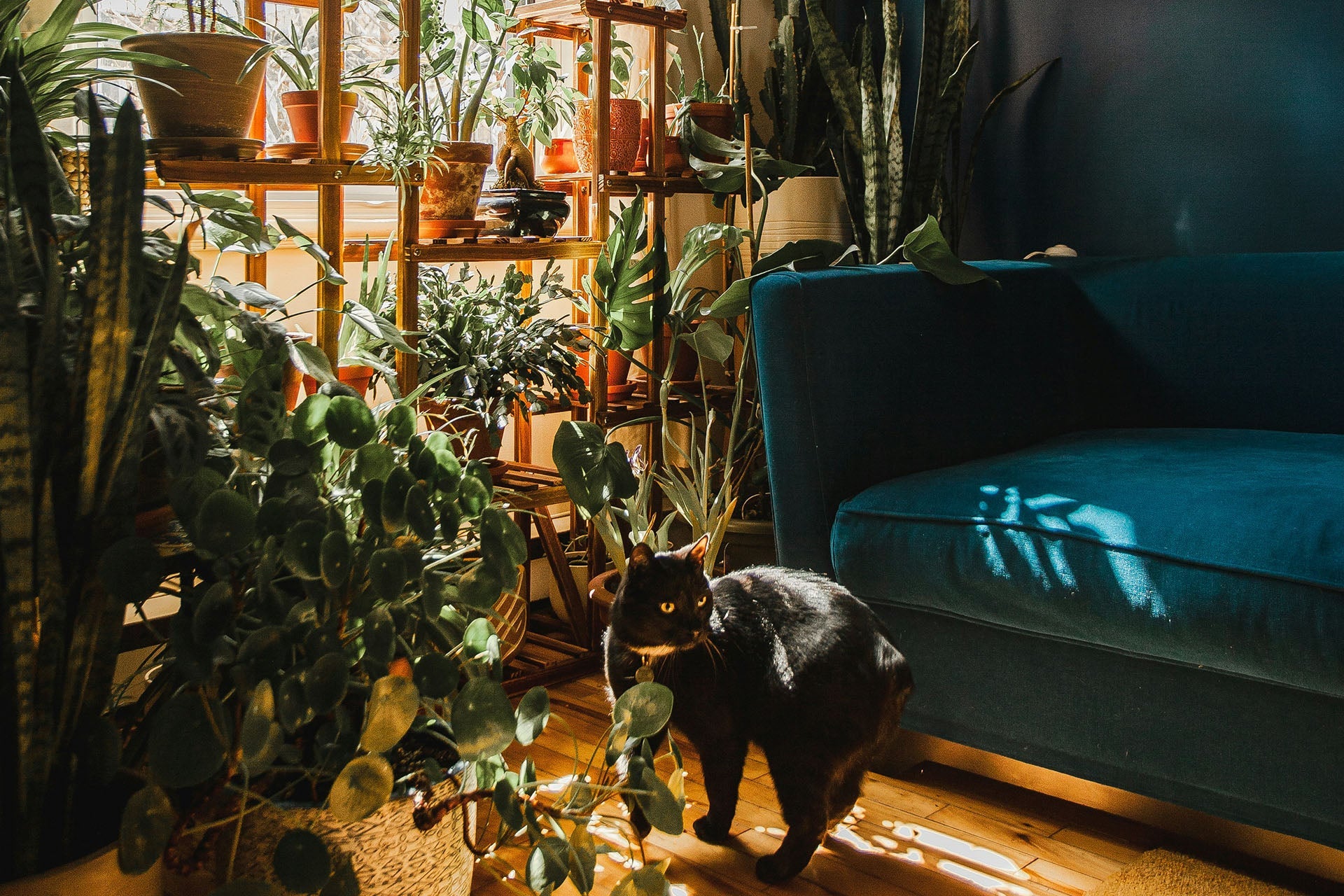
Les petits appartements à Toronto imposent des limites claires quant à l'emplacement des plantes. Les rebords de fenêtres étroits, les sources de lumière partagées et les besoins en rangement vertical influencent la performance des plantes d'intérieur. La bonne approche se concentre sur la sélection des plantes, le placement de la lumière et des routines d'entretien simples qui correspondent aux espaces de vie compacts.
L'entretien des plantes d'intérieur dans les maisons urbaines est optimal lorsque le type de plante correspond à la lumière, à l'humidité et aux surfaces disponibles. Il faut également éviter la surpopulation et choisir des contenants qui favorisent la circulation de l'air et le drainage.
Choisir des plantes adaptées aux petits espaces
Les petits appartements ont besoin de plantes qui restent compactes ou qui poussent verticalement sans trop s'étendre. Les plantes denses au sol réduisent souvent l'espace utilisable, c'est pourquoi les options à poser sur des étagères ou à suspendre fonctionnent mieux.
De nombreuses personnes qui se lancent dans les plantes d'intérieur dans les appartements de Toronto commencent par des variétés robustes comme les fougères, les succulentes et les plantes tropicales compactes. Celles-ci s'adaptent bien aux changements de lumière intérieure et aux arrosages irréguliers.
Un point de départ pratique est de parcourir les options de plantes d'intérieur spécialement conçues pour la livraison en ville. Ces collections aident à restreindre les choix en fonction de l'espace disponible, des conditions de lumière et du niveau d'entretien.
Lors de la sélection des plantes, il est utile de penser à leur emplacement à long terme. Certaines espèces restent stables en taille pendant des années, tandis que d'autres s'étendent progressivement et nécessitent une taille ou un repositionnement. Planifier à l'avance réduit le besoin de réorganiser constamment les espaces de vie restreints.

Meilleurs types de plantes pour les petits espaces d'appartement
Fougères pour l'équilibre de l'humidité
Les fougères se portent bien dans les espaces qui retiennent naturellement plus d'humidité, comme les salles de bain et les cuisines. Elles préfèrent la lumière indirecte et une humidité constante sans être détrempées. Leur texture douce ajoute également un contraste visuel dans les pièces compactes où les éléments structurels plus durs dominent.
Une fougère s'intègre bien dans les coins, sur les étagères étroites ou dans les jardinières murales. Elle fonctionne mieux lorsqu'elle est éloignée des sources de chaleur directe et placée là où les niveaux d'humidité restent plus stables. En hiver, le chauffage intérieur réduit les niveaux d'humidité, de sorte que les fougères bénéficient souvent d'une légère pulvérisation ou d'un placement près des zones humides.
Cactus pour des installations nécessitant peu d'entretien
Les cactus nécessitent un arrosage minimal et prospèrent dans des endroits lumineux et ensoleillés. Ils conviennent parfaitement aux étagères d'appartement, aux rebords de fenêtre ou aux bureaux où l'ensoleillement est constant tout au long de la journée.
Un cactus placé près d'une fenêtre orientée au sud a tendance à pousser plus uniformément et à conserver une forme forte. Ces plantes conviennent également aux personnes qui préfèrent une installation intérieure nécessitant moins d'entretien. Dans les petits appartements, elles contribuent également à équilibrer les plantes à forte humidité en ajoutant un contraste de zone sèche.
Plantes tropicales compactes
Les variétés tropicales plus petites ajoutent de la couleur et une texture étagée aux intérieurs étroits sans surcharger l'espace disponible. Elles s'adaptent bien à la lumière filtrée et se comportent bien dans les pièces avec un ensoleillement constant mais indirect.
Pour des arrangements structurés, les collections de plantes tropicales à Toronto offrent des options conçues pour la vie en appartement. De nombreuses plantes tropicales réagissent bien à une rotation occasionnelle, ce qui aide à équilibrer la croissance lorsque la lumière vient d'une seule direction.
Utiliser efficacement les étagères et l'espace vertical
Les petits appartements dépendent fortement du rangement vertical, et le placement des plantes devrait suivre la même logique. L'utilisation de l'espace mural permet d'agrandir votre jardin intérieur sans réduire la surface au sol.
Les étagères flottantes près des fenêtres créent plusieurs niveaux d'exposition à la lumière. Les plantes placées aux niveaux supérieurs devraient recevoir la lumière la plus forte, tandis que les étagères inférieures peuvent accueillir des variétés qui tolèrent plus facilement l'ombre.
Les jardinières murales aident également à garder les surfaces dégagées tout en conservant la verdure à hauteur des yeux. Faire pivoter les plantes chaque semaine assure une exposition uniforme et prévient les schémas de croissance inégaux.
Les récipients en verre fonctionnent bien dans les arrangements verticaux car ils maintiennent une ouverture visuelle. Une installation de terrarium en verre s'adapte parfaitement aux étagères et réduit le désordre en contenant la terre et l'humidité dans un environnement contrôlé.
Vous pouvez explorer des conceptions de terrariums en verre structurés grâce aux collections de terrariums disponibles à la livraison à Toronto, qui comprennent des options compactes adaptées aux appartements.
Routines d'arrosage pour les petits espaces intérieurs
L'arrosage dans les petits appartements exige une attention particulière à l'état du sol plutôt qu'à des horaires fixes. La circulation d'air limitée et les petits pots retiennent souvent l'humidité plus longtemps que prévu, ce qui augmente le risque d'excès d'eau.
Une méthode pratique consiste à vérifier la sécheresse du sol avant d'arroser, plutôt que de suivre un calendrier. Cette approche s'adapte aux changements saisonniers et aux variations de température intérieure.
Le drainage reste essentiel pour tous les types de plantes. Les pots avec des trous de drainage empêchent l'accumulation d'eau et protègent les systèmes racinaires de la pourriture. Dans les appartements compacts, cela devient encore plus important car la circulation de l'air est souvent limitée.
Les terrariums nécessitent encore plus de contrôle car les environnements clos retiennent l'humidité plus longtemps. Ces systèmes n'ont souvent besoin que d'une légère pulvérisation ou d'ajouts d'eau occasionnels, selon le type de plante.

Gestion de la lumière dans les appartements de Toronto
Les conditions de lumière varient considérablement dans les appartements de Toronto en fonction de la hauteur du bâtiment, de l'orientation des fenêtres et des structures environnantes. Comprendre les zones de lumière aide à associer les plantes au bon emplacement.
Les zones de lumière vive indirecte sont généralement près des fenêtres orientées sud ou ouest. Celles-ci conviennent à la plupart des plantes tropicales et des espèces à fleurs. Les zones de lumière moyenne apparaissent souvent près des fenêtres orientées est, où le soleil du matin est plus doux. Les zones de faible luminosité comprennent les couloirs ou les coins intérieurs avec une exposition naturelle limitée.
La variation saisonnière affecte l'intensité lumineuse. L'hiver réduit considérablement les heures d'ensoleillement, ce qui ralentit la croissance des plantes et peut nécessiter de les rapprocher des fenêtres. La lumière estivale est plus forte et peut stresser les plantes sensibles si l'exposition est trop directe.
Faire pivoter les plantes tous les quelques jours permet de maintenir une croissance équilibrée dans les environnements à lumière fixe courants dans les appartements.
Plantes et terrariums pour les petits espaces
Les terrariums offrent un moyen structuré de cultiver des plantes dans de petits appartements sans avoir besoin de grands pots ou de surfaces de sol ouvertes. Ils aident à contrôler l'humidité et à réduire la fréquence d'entretien tout en ajoutant une texture naturelle aux espaces intérieurs.
Une installation de plantes et de terrariums fonctionne particulièrement bien dans les appartements où l'espace est limité. Ces arrangements s'adaptent bien sur les bureaux, les tables basses ou les étagères étroites sans créer de désordre.
Les terrariums en verre conservent également un profil visuel propre tout en favorisant des conditions de croissance stables dans des environnements contrôlés. Ils fonctionnent particulièrement bien dans les pièces où le flux d'air est limité ou où des niveaux d'humidité constants bénéficient à la santé des plantes.
Nettoyage et entretien des zones de plantes d'intérieur
Un entretien régulier maintient les plantes d'intérieur en bonne santé et prévient l'accumulation de substances qui affectent la croissance. La poussière sur les feuilles réduit l'absorption de la lumière, ce qui peut ralentir le développement des plantes. Essuyer délicatement les feuilles avec un chiffon humide toutes les quelques semaines aide à maintenir un fonctionnement sain.
Les surfaces des terrariums en verre nécessitent également un nettoyage occasionnel pour éliminer les dépôts minéraux ou l'accumulation d'algues. Les plantes doivent être retirées avant le nettoyage pour éviter de perturber les racines ou de tasser le sol.
Une routine simple de nettoyage léger et d'observation prévient la plupart des problèmes courants des plantes d'intérieur sans nécessiter d'entretien intensif.
Erreurs courantes dans l'entretien des plantes en petit appartement
Le surpeuplement est l'un des problèmes les plus courants dans les espaces compacts. Trop de plantes dans une même zone réduit la circulation de l'air et limite l'accès à la lumière, ce qui ralentit la croissance et augmente les exigences d'entretien.
L'utilisation de pots surdimensionnés crée également des problèmes en occupant un espace inutile et en retenant l'humidité excessive. Adapter la taille du contenant à la taille de la plante améliore à la fois la santé et l'efficacité de l'aménagement.
Des routines d'arrosage incohérentes peuvent stresser les plantes. Les conditions environnementales changent tout au long de l'année, donc les besoins des plantes varient également.
Ignorer les changements saisonniers de lumière entraîne souvent une croissance inégale ou des plantes faibles. Ajuster leur emplacement quelques fois par an aide à maintenir une stabilité à long terme.
Entretien saisonnier des plantes dans les appartements de Toronto
Le climat de Toronto crée de forts changements saisonniers qui affectent directement la santé des plantes d'intérieur. Comprendre ces changements aide à prévenir le stress et à soutenir une croissance constante tout au long de l'année.
L'hiver apporte des jours plus courts, une humidité plus faible et un air intérieur sec causé par les systèmes de chauffage. Pendant cette période, la plupart des plantes ralentissent leur croissance. La fréquence d'arrosage diminue généralement, et les plantes bénéficient d'être rapprochées des fenêtres pour une exposition maximale à la lumière. Les fougères et les plantes tropicales peuvent nécessiter un soutien supplémentaire en humidité pendant cette saison.
Le printemps apporte des heures de lumière du jour plus longues et une activité de croissance accrue. C'est le meilleur moment pour rempoter les plantes, rafraîchir le sol et introduire de nouvelles variétés dans votre espace. Les plantes réagissent rapidement aux conditions améliorées de lumière et de température.
L'été apporte une lumière intense et des températures intérieures plus élevées. Certaines plantes peuvent avoir besoin d'une ombre partielle pendant les heures de pointe d'ensoleillement pour éviter les brûlures des feuilles. L'arrosage peut augmenter légèrement, mais le sol doit toujours être vérifié avant d'ajouter de l'humidité.
L'automne marque une période de transition où la croissance des plantes ralentit à nouveau. Réduire l'utilisation d'engrais et ajuster les routines d'arrosage aide les plantes à se préparer aux conditions hivernales. C'est également un bon moment pour repositionner les plantes avant le retour des heures de lumière du jour plus courtes.
Créer un aménagement équilibré de plantes d'intérieur
Un aménagement d'appartement équilibré combine structure, variété et éléments nécessitant peu d'entretien. Les plantes plus hautes créent un intérêt vertical, tandis que les plantes d'étagère plus petites ajoutent des détails et des niveaux. Inclure au moins une variété nécessitant peu d'entretien aide à stabiliser les routines d'entretien.
Les systèmes contrôlés comme les terrariums ajoutent de la structure et contiennent la croissance dans les petits espaces. Cela permet de maintenir des aménagements propres tout en favorisant un développement sain des plantes.
Un mélange réfléchi de types de plantes permet aux petits appartements de paraître plus ouverts tout en maintenant une présence naturelle constante dans tout l'espace.
